తెలుగు చరిత్ర · Telugu History

Two thousand years of the Trilinga land: kingdoms, people and everyday life

From the Stone Age and Asoka’s edicts to the two states of 2014 and their new districts of 2016–2025: the rulers, monuments, poets, crafts, faiths and everyday lives of the Telugu land — Coastal Andhra, Rayalaseema and Telangana — told from open, cited sources.

Trilinga: the land of the three lingas

The Telugu country has long been called Trilinga, “the land of the three lingas” of Shiva, and the name Telingana is traditionally explained from it.3,4,5,6 Vidyanatha’s Prataparudriya, written at the court of the Kakatiya king Prataparudra, places the three lingas at Srisailam, Kaleshvara and Draksharama.1,2

Most of our sources, from 1828 on, take Kaleshvara to be Kaleshwaram on the Godavari;4,5,6,7,8 Vidyanatha’s 1909 editor and the Madras gazetteers name Kalahasti instead. The map shows both.2,3,9 Some scholars doubt the explanation of the name altogether.10

More on the name, with all the readings →

Sources (10)
  1. Vidyanatha, Prataparudriya, ed. K. P. Trivedi (1909), p. 213, v. 22 (opens in a new tab)
  2. K. P. Trivedi, introduction to the Prataparudriya (1909), p. xii and notes (opens in a new tab)
  3. Imperial Gazetteer of India: Madras, Vol. I (1908), p. 192 (opens in a new tab)
  4. A. H. Arden, A Progressive Grammar of the Telugu Language (1873), p. 1 (opens in a new tab)
  5. J. A. C. Boswell, A Manual of the Nellore District (1873), p. 147 (opens in a new tab)
  6. P. Chenchiah and Raja M. Bhujanga Rao, A History of Telugu Literature (1928), p. 14 (opens in a new tab)
  7. H. H. Wilson, The Mackenzie Collection, Vol. I (1828), pp. 272–273 (opens in a new tab)
  8. Syed Siraj ul Hassan, The Castes and Tribes of H.E.H. the Nizam’s Dominions, Vol. I (1920), p. 121 (opens in a new tab)
  9. F. R. Hemingway, Madras District Gazetteers: Godavari, Vol. I (1907), p. 52 (opens in a new tab)
  10. A. C. Burnell, Elements of South-Indian Palaeography (1878), p. 23, note 1 (opens in a new tab)

Temple locations: Wikidata (CC0).
The temples of Trilinga, with both places proposed for KaleshvaraSrisailamDraksharamaKaleshwaramKalahastiN0200 km

Base map: Natural Earth (opens in a new tab) (public domain). Musi river: © OpenStreetMap contributors (opens in a new tab) (data under the ODbL).

Explore by era

Full timeline →

Swipe sideways to see the whole chart; tap a bar for details.

Each bar is a ruling power in its region; time runs left to right. Dashed = approximate dates. Select a bar for details.

250 BCE025050075010001250150017502000Mauryas & Satavahanas (300 BCE – 225 CE)Ikshvakus, Vishnukundins & early kingdoms (225–624 CE)Eastern Chalukyas & the Deccan powers (624–1163 CE)Kakatiyas (1163–1323 CE)Nayakas, Reddis & Bahmanis (1323–1518 CE)Vijayanagara & the Qutb Shahis (1336–1687 CE)Mughals, Asaf Jahis & the British (1687–1948 CE)Reform, freedom & people's movements (1850–1956 CE)Andhra State & Andhra Pradesh (1953–2014 CE)TelanganaMauryasIkshvakusSatavahanasVakatakasKotilingala coin kingsRashtrakutas of MalkhedGajapatis of OrissaEastern Chalukyas of VengiKakatiyasWestern Chalukyas of KalyaniCoastal AndhraMauryasIkshvakusCholas of TanjoreSatavahanasPallavasPallavasSalankayanas of VengiEastern Gangas of KalingaEastern Chalukyas of VengiEast India CompanyChalukyas of BadamiVelanati ChodasMusunuri NayakasWestern Chalukyas of KalyaniCholas of TanjoreRayalaseemaMauryasSatavahanasPallavasTelugu Cholas of RenaduChalukyas of BadamiBanasHoysalasMughal EmpireVaidumbasNawabs of KurnoolNolamba-PallavasRashtrakutas of MalkhedMarathasMysore under Haidar Ali and Tipu Sultan250 BCE025050075010001250150017502000
Show as a list

Mauryas & Satavahanas 300 BCE – 225 CE

Telangana
Mauryas (c. 272 BCE – 185 BCE) · Satavahanas (c. 220 BCE – 225 CE) · Kotilingala coin kings (c. 200 BCE – 52 BCE)
Coastal Andhra
Mauryas (c. 260 BCE – 185 BCE) · Satavahanas (c. 220 BCE – 225 CE)
Rayalaseema
Mauryas (c. 268 BCE – 185 BCE) · Satavahanas (c. 1–225 CE)

Ikshvakus, Vishnukundins & early kingdoms 225–624 CE

Telangana
Ikshvakus (c. 225–352 CE) · Vishnukundins (c. 375–612 CE) · Vakatakas (c. 300–500 CE)
Coastal Andhra
Ikshvakus (c. 225–350 CE) · Vishnukundins (c. 500–630 CE) · Pallavas (c. 250–630 CE) · Salankayanas of Vengi (c. 300–470 CE) · Eastern Gangas of Kalinga (c. 537–1434 CE) · Eastern Chalukyas of Vengi (c. 615–973 CE) · Chalukyas of Badami (c. 615–642 CE)
Rayalaseema
Pallavas (c. 300–900 CE) · Telugu Cholas of Renadu (c. 550–800 CE)

Eastern Chalukyas & the Deccan powers 624–1163 CE

Telangana
Chalukyas of Badami (c. 655–753 CE) · Chalukyas of Mudigonda (c. 890–1218 CE) · Chalukyas of Vemulavada (c. 750–973 CE) · Kakatiyas (c. 1052–1162 CE) · Rashtrakutas of Malkhed (c. 753–973 CE) · Telugu Chodas of Kanduru (c. 1060–1160 CE) · Eastern Chalukyas of Vengi (c. 935–973 CE) · Western Chalukyas of Kalyani (c. 973–1163 CE)
Coastal Andhra
Vishnukundins (c. 500–630 CE) · Chalukyas of Badami (c. 655–680 CE) · Cholas of Tanjore (c. 999–1135 CE) · Pallavas (c. 250–630 CE) · Eastern Chalukyas of Vengi (c. 999–1077 CE) · Kotas of Dharanikota (c. 1100–1276 CE) · Eastern Gangas of Kalinga (c. 537–1434 CE) · Haihayas of Kona and Palnadu (c. 1073–1364 CE) · Telugu Chodas of Pottapi and Nellore (c. 1106–1316 CE) · Velanati Chodas (c. 1118–1209 CE) · Western Chalukyas of Kalyani (c. 1118–1126 CE)
Rayalaseema
Pallavas (c. 300–900 CE) · Cholas of Tanjore (c. 985–1268 CE) · Telugu Cholas of Renadu (c. 550–800 CE) · Western Chalukyas of Kalyani (c. 1000–1190 CE) · Chalukyas of Badami (c. 654–753 CE) · Telugu Chodas of Pottapi and Nellore (c. 1120–1268 CE) · Banas (c. 700–915 CE) · Vaidumbas (c. 750–1000 CE) · Nolamba-Pallavas (c. 750–974 CE) · Rashtrakutas of Malkhed (c. 750–973 CE)

Kakatiyas 1163–1323 CE

Telangana
Chalukyas of Mudigonda (c. 890–1218 CE) · Kakatiyas (c. 1163–1323 CE)
Coastal Andhra
Kakatiyas (c. 1185–1323 CE) · Kotas of Dharanikota (c. 1100–1276 CE) · Eastern Gangas of Kalinga (c. 537–1434 CE) · Haihayas of Kona and Palnadu (c. 1073–1364 CE) · Telugu Chodas of Pottapi and Nellore (c. 1106–1316 CE) · Velanati Chodas (c. 1118–1209 CE) · Pandyas (c. 1260–1264 CE) · Cholas of Tanjore (c. 1135–1264 CE)
Rayalaseema
Cholas of Tanjore (c. 985–1268 CE) · Pandyas (1285–1293 CE) · Western Chalukyas of Kalyani (c. 1000–1190 CE) · Kakatiyas (c. 1250–1323 CE) · Telugu Chodas of Pottapi and Nellore (c. 1120–1268 CE) · Hoysalas (c. 1178–1342 CE)

Nayakas, Reddis & Bahmanis 1323–1518 CE

Telangana
Delhi Sultanate (Tughluqs) (c. 1323–1336 CE) · Bahmani Sultanate (c. 1347–1518 CE) · Musunuri Nayakas (c. 1336–1368 CE) · Gajapatis of Orissa (c. 1459–1461 CE) · Adil Shahis of Bijapur (c. 1489–1686 CE) · Recherla Velamas (Padmanayakas) (c. 1361–1475 CE) · Shitab Khan (Sitapati) of Warangal (c. 1504–1516 CE)
Coastal Andhra
Vijayanagara Empire (c. 1350–1579 CE) · Delhi Sultanate (Tughluqs) (c. 1323–1326 CE) · Reddis of Rajahmundry (c. 1386–1448 CE) · Bahmani Sultanate (c. 1471–1489 CE) · Eastern Gangas of Kalinga (c. 537–1434 CE) · Gajapatis of Orissa (c. 1446–1571 CE) · Haihayas of Kona and Palnadu (c. 1073–1364 CE) · Reddis of Kondaveedu (c. 1325–1424 CE) · Musunuri Nayakas (c. 1325–1346 CE)
Rayalaseema
Vijayanagara Empire (c. 1336–1646 CE) · Reddis of Kondaveedu (c. 1346–1386 CE) · Hoysalas (c. 1178–1342 CE)

Vijayanagara & the Qutb Shahis 1336–1687 CE

Telangana
Bahmani Sultanate (c. 1347–1518 CE) · Vijayanagara Empire (c. 1563–1565 CE) · Musunuri Nayakas (c. 1336–1368 CE) · Gajapatis of Orissa (c. 1459–1461 CE) · Adil Shahis of Bijapur (c. 1489–1686 CE) · Recherla Velamas (Padmanayakas) (c. 1361–1475 CE) · Shitab Khan (Sitapati) of Warangal (c. 1504–1516 CE) · Qutb Shahis of Golconda (c. 1518–1687 CE)
Coastal Andhra
Vijayanagara Empire (c. 1350–1579 CE) · Reddis of Rajahmundry (c. 1386–1448 CE) · Bahmani Sultanate (c. 1471–1489 CE) · Qutb Shahis of Golconda (c. 1524–1687 CE) · Eastern Gangas of Kalinga (c. 537–1434 CE) · Gajapatis of Orissa (c. 1446–1571 CE) · Haihayas of Kona and Palnadu (c. 1073–1364 CE) · Reddis of Kondaveedu (c. 1325–1424 CE) · Musunuri Nayakas (c. 1325–1346 CE)
Rayalaseema
Vijayanagara Empire (c. 1336–1646 CE) · Marathas (c. 1677–1687 CE) · Reddis of Kondaveedu (c. 1346–1386 CE) · Adil Shahis of Bijapur (c. 1568–1686 CE) · Qutb Shahis of Golconda (c. 1579–1687 CE) · Hoysalas (c. 1178–1342 CE) · Mughal Empire (c. 1686–1724 CE)

Mughals, Asaf Jahis & the British 1687–1948 CE

Telangana
Mughal Empire (1687–1724 CE) · British Crown (Madras Presidency) (1860–1947 CE) · Asaf Jahi Nizams of Hyderabad (1724–1948 CE)
Coastal Andhra
Mughal Empire (1687–1724 CE) · French East India Company (1750–1759 CE) · Nawabs of the Carnatic (Arcot) (c. 1710–1801 CE) · British Crown (Madras Presidency) (1858–1947 CE) · Asaf Jahi Nizams of Hyderabad (1724–1753 CE) · Madras State (1947–1953 CE) · East India Company (1759–1858 CE)
Rayalaseema
Nawabs of the Carnatic (Arcot) (c. 1710–1801 CE) · British Crown (Madras Presidency) (1858–1947 CE) · Nawabs of Cuddapah (c. 1714–1779 CE) · East India Company (1792–1858 CE) · Madras State (1947–1953 CE) · Banganapalle State (c. 1724–1948 CE) · Mughal Empire (c. 1686–1724 CE) · Morari Rao Ghorpade of Gooty (c. 1741–1776 CE) · Nawabs of Kurnool (c. 1690–1839 CE) · Asaf Jahi Nizams of Hyderabad (c. 1724–1800 CE) · Marathas (c. 1743–1774 CE) · Mysore under Haidar Ali and Tipu Sultan (c. 1762–1799 CE)

Reform, freedom & people's movements 1850–1956 CE

Telangana
British Crown (Madras Presidency) (1860–1947 CE) · Asaf Jahi Nizams of Hyderabad (1724–1948 CE) · Hyderabad State (Indian Union) (1948–1956 CE)
Coastal Andhra
French East India Company (1817–1954 CE) · British Crown (Madras Presidency) (1858–1947 CE) · Madras State (1947–1953 CE) · East India Company (1759–1858 CE) · Andhra State (1953–1956 CE)
Rayalaseema
British Crown (Madras Presidency) (1858–1947 CE) · East India Company (1792–1858 CE) · Madras State (1947–1953 CE) · Banganapalle State (c. 1724–1948 CE) · Andhra State (1953–1956 CE)

Andhra State & Andhra Pradesh 1953–2014 CE

All three regions
Andhra Pradesh (united) (1956–2014 CE)
Telangana
Hyderabad State (Indian Union) (1948–1956 CE)
Coastal Andhra
French East India Company (1817–1954 CE) · Andhra State (1953–1956 CE)
Rayalaseema
Andhra State (1953–1956 CE)
Kingdoms and empires Sultanates Colonial powers Indian states (1947 onward) Uncertain or debated dates Held another region firstSelect an era band to zoom in; hover over a bar for its name and dates.

Featured

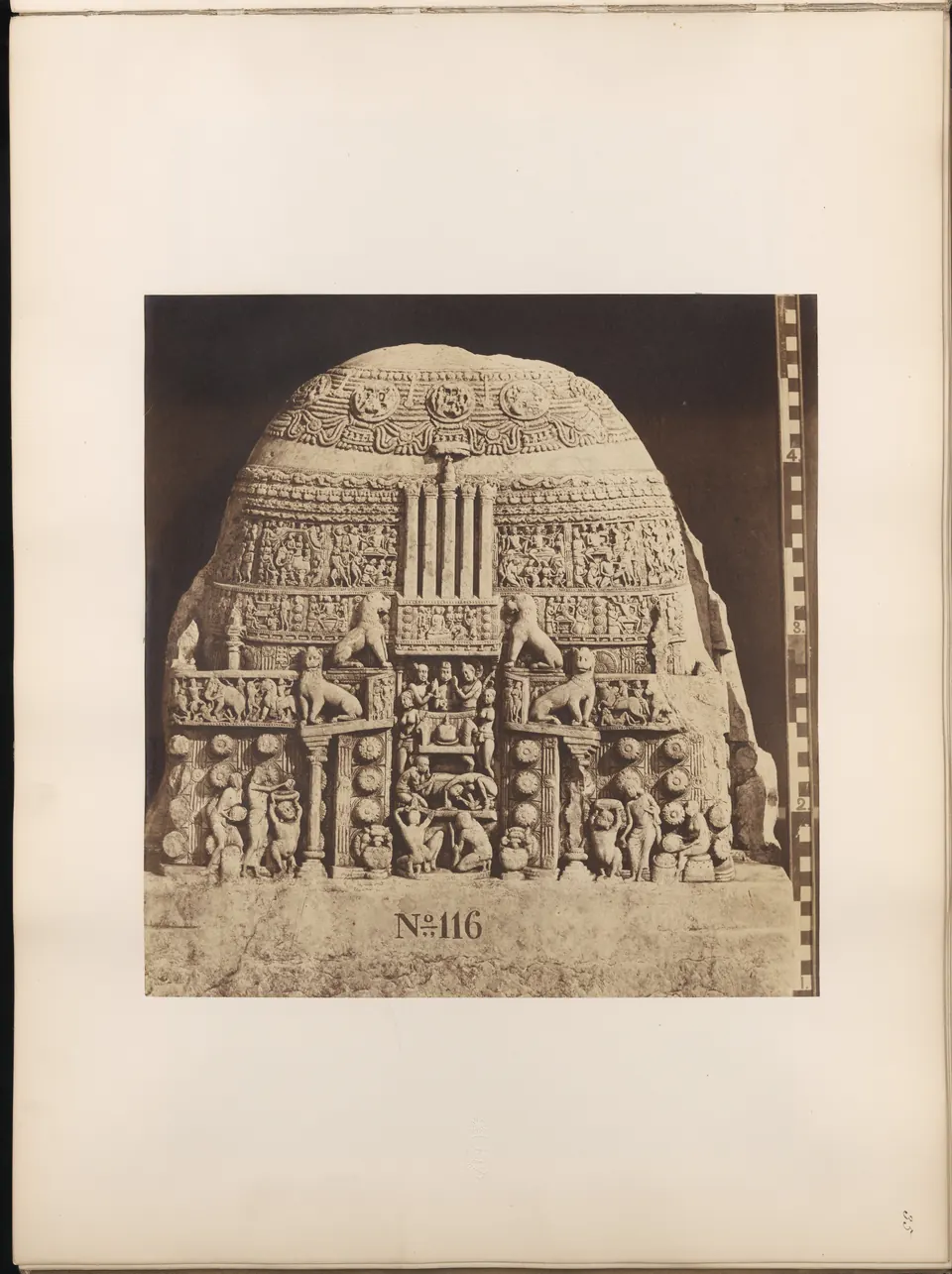
  1. 1858 albumen photograph of an Amaravati drum slab showing a carved stupa with nagas worshipping at its gateway (Elliot no. 116).Monuments · c. 200 BCE – 300 CEAmaravati MahachaityaThe great Buddhist stupa at Amaravati stood beside the Krishna. It may have been founded around 200 BCE and was rebuilt with carved limestone railings in the 2nd–3rd centuries CE. From 1796, people dug it up for building materials. It is now known mainly through its scattered sculptures.Read more →

    Amaravati drum slab, photographed 1858

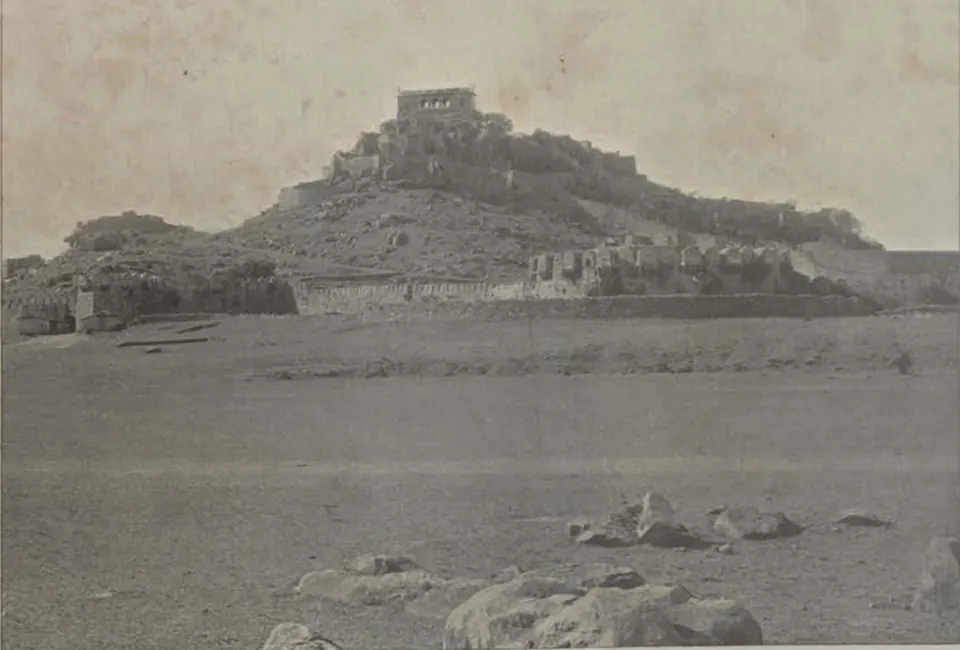
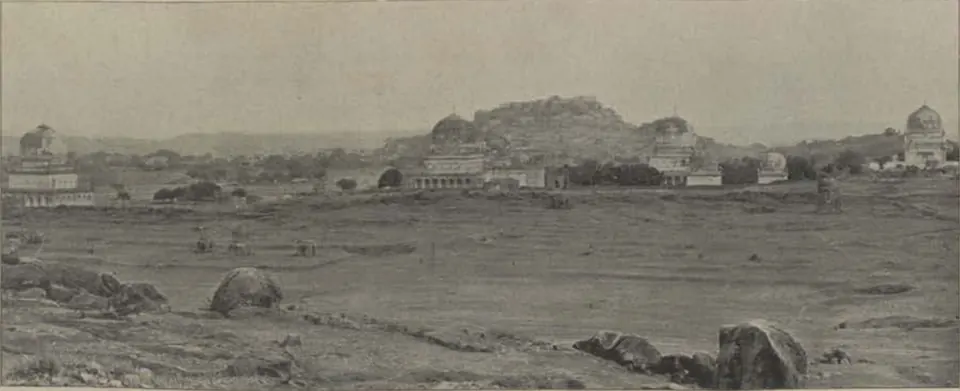
  2. The citadel of Golconda on its hill, seen across an open plain.MonumentsGolconda FortGolconda is a walled hill fortress five miles west of Hyderabad. The ruler of Warangal handed it to the Bahmani sultans in the 14th century. It later became the seat of the Qutb Shahi sultans, and Ibrahim Qutb Shah rebuilt it in stone. After a siege lasting more than eight months, it fell to Aurangzeb in 1687.Read more →

    Golconda: "View of the Citadel and Fort Walls, Golconda" (Campbell 1898, p. 239)

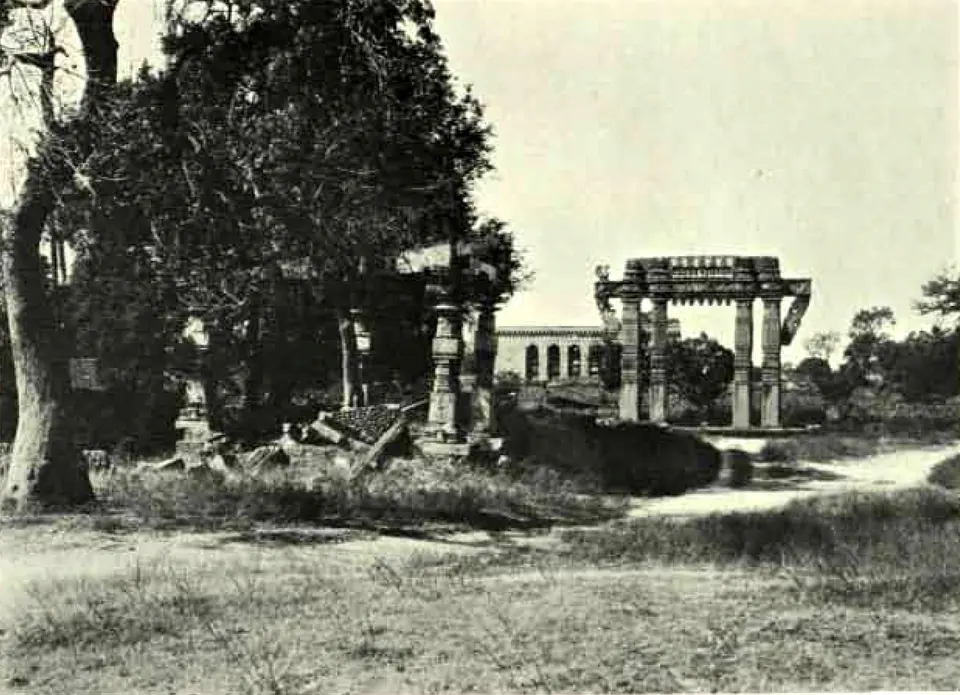
  3. A carved stone gateway standing among grass and trees, with fallen temple stones and a pillar at the left and an arcaded building in the distance.MonumentsWarangal FortWarangal fort was the fortified Kakatiya capital of Orugallu. An earthen wall and a stone wall, with moats, surrounded the round city. Four carved stone gateways survive from its central Svayambhu temple. The fort resisted Delhi armies from 1310, before falling to them in the 1320s.Read more →

    Ruins of the Old Temple, Warangal Fort (Hyderabad Arch. Report 1925-26, Pl. XVI (a))

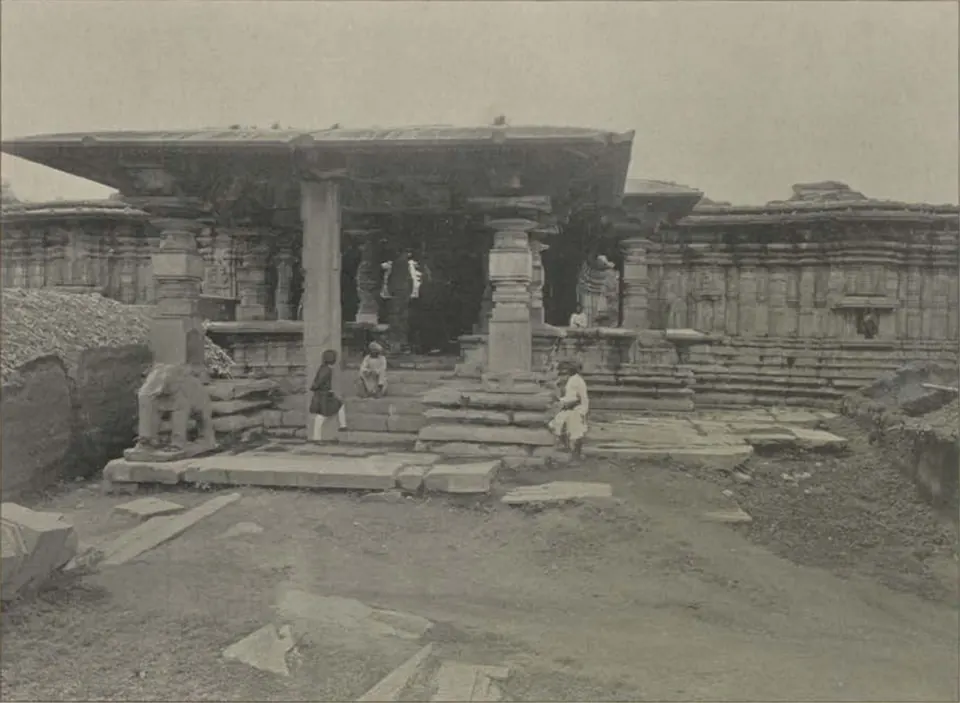
  4. The Thousand Pillar Temple at Hanamkonda, a pillared hall of dark stone with people on its steps.Monuments · 1163 CEThousand Pillar TempleThe Rudreshvara temple at Hanamkonda has three shrines, dedicated to Shiva, Vishnu and Surya. The Kakatiya ruler Rudradeva consecrated it in January 1163. He also had the story of his family's rise to power inscribed at the temple.Read more →

    Hanamkonda: "The 1,000-Pillared Temple, Hanamkonda" (Campbell 1898, p. 481)

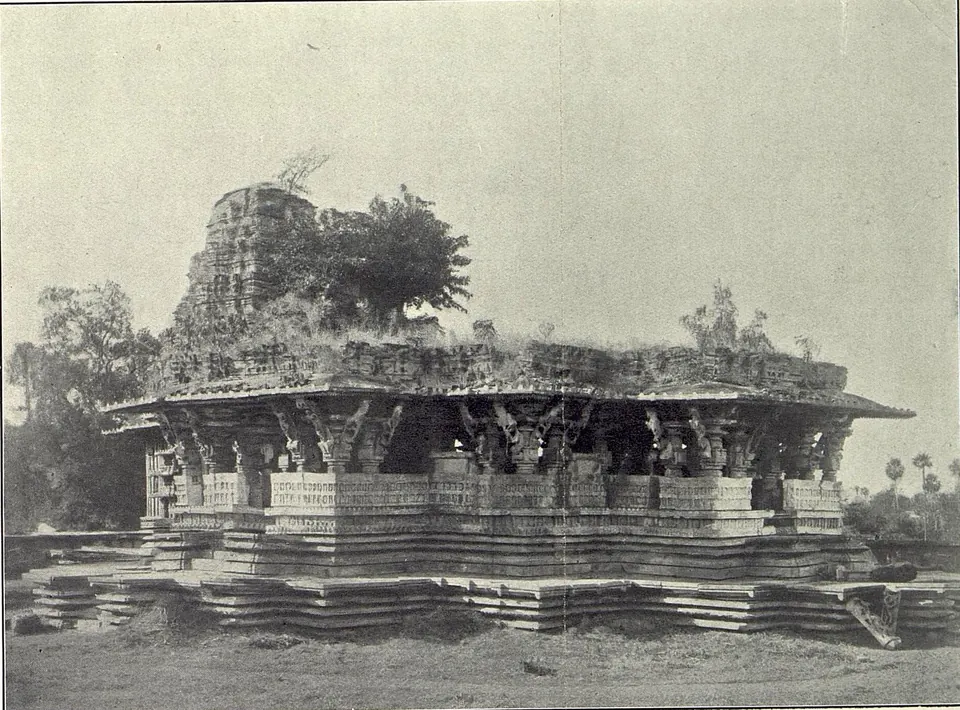
  5. The Ramappa temple seen from the south-east: a pillared hall with deep eaves on a broad stepped platform, its roof and broken tower overgrown with plants and a small tree.Monuments · 1213 CERamappa TempleRecherla Rudra, a Kakatiya general, founded the Rudreshvara temple at Palampet in 1213, beside Ramappa lake. It is famous for the bracket figures beneath its eaves, carved dark-stone pillars and lightweight brick tower. It has been a UNESCO World Heritage Site since 2021.Read more →

    Great Temple, Palampet: view from S.-E. (Yazdani 1922, Pl. XXVIII (a))

  6. The Qutb Shahi tombs with their domes, and Golconda fort on its hill behind.Monuments · c. 1543–1674 CEQutb Shahi TombsThis royal burial ground lies half a mile north of Golconda Fort. It contains the domed tombs of seven Qutb Shahi kings and their family members, along with mosques and a bath where bodies were washed before burial. The buildings date from the 1540s to the 1670s.Read more →

    Golconda: "The Kings' Tombs, with Golconda in the Background" (Campbell 1898, p. 246)

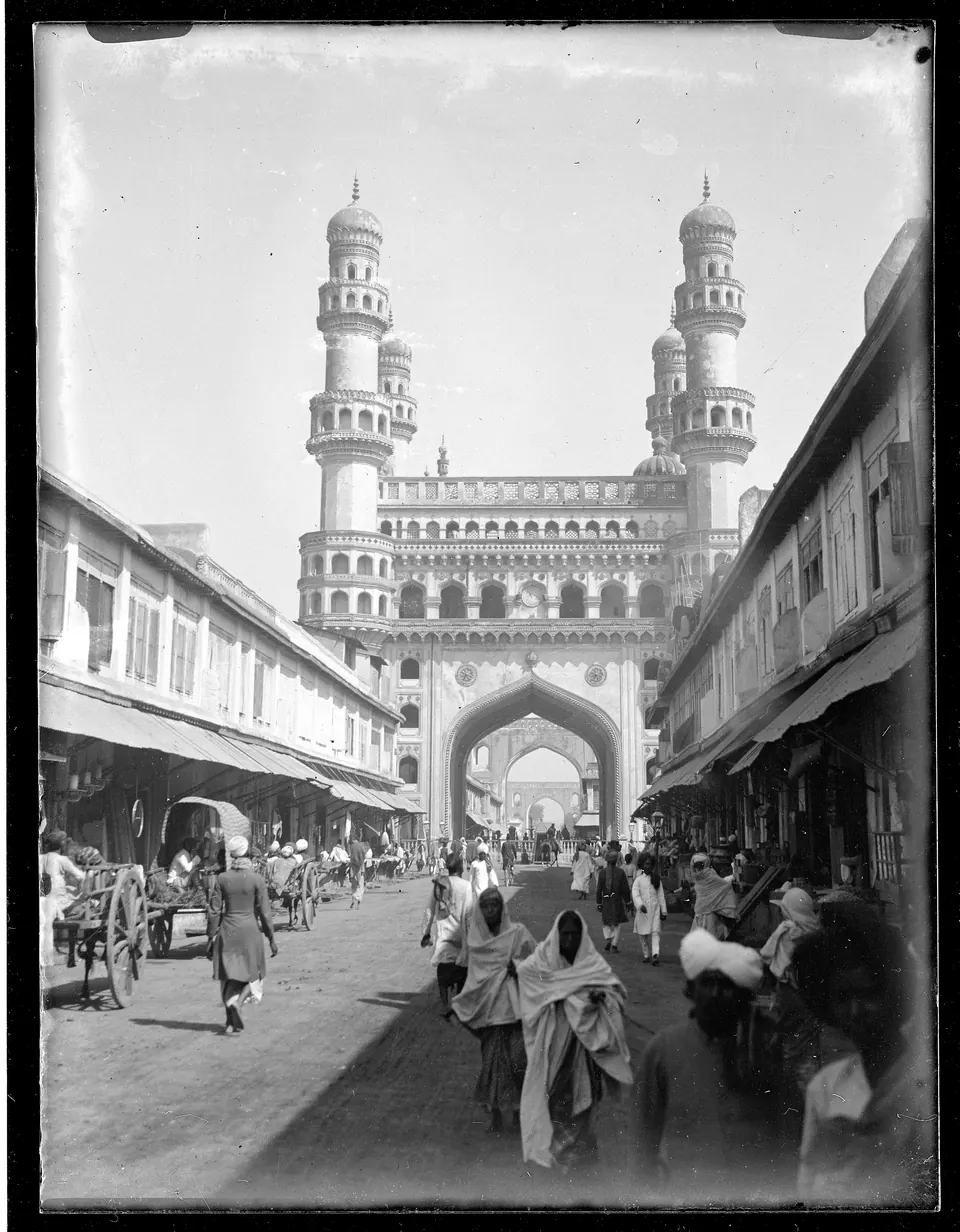
  7. 1887 glass-plate photograph of the Charminar at the end of a market street, with pedestrians in the foreground.Monuments · c. 1591 CECharminarCharminar is a gateway monument with four minarets in the centre of old Hyderabad. Muhammad Quli Qutb Shah built it when he founded the city. The Imperial Gazetteer dates it to 1591; Bilgrami gives AH 999–1000 (1590–91).Read more →

    Charminar in 1887

Explore by theme

View all →

Recently added

People

Purushottam Chaudhari

1803–1890 CE

Purushottam Chaudhari (1803–1890), born near Parlakimedi, was a devout Vaishnava scholar who became a Christian in 1833 after reading a tract. He threw away his sacred thread, wrote a Telugu tract against caste and many Telugu Christian hymns, and preached for fifty-four years for the English Baptist and London missions in the northern Telugu districts.

People

Pagolu Venkayya

c. 1809–1891 CE

Pagolu Venkayya (about 1809–1891), a Mala leader of Raghavapuram in the Krishna district, was baptised by the CMS missionary T. Y. Darling in 1859. His search for 'the great God', his baptism with his family and friends, and his preaching began the Christian movement among the Malas of the Krishna and Godavari villages.

People

Edward Porter

1810–1882 CE

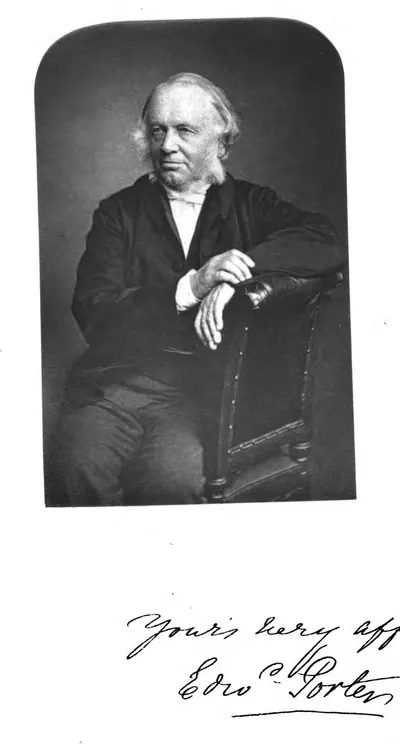
Edward Porter (1810–1882), an English missionary of the London Missionary Society, worked at Visakhapatnam from 1835 to 1844 and at Kadapa from 1844 to 1868. In his years at Kadapa the first Mala group movements began in the villages around, and the mission's out-stations grew from one to twelve.

People

Thomas Gabriel

1837–1875 CE

Thomas Gabriel (1837–1875), born Taleru Marayya at Machilipatnam, was a government telegraph clerk who gave up his post in 1869 to preach in the villages around the Kolleru lake. His appeal brought the Canadian Baptists to Kakinada in 1874, and most of their first converts came from his work.

People

Anna S. Kugler

1856 CE

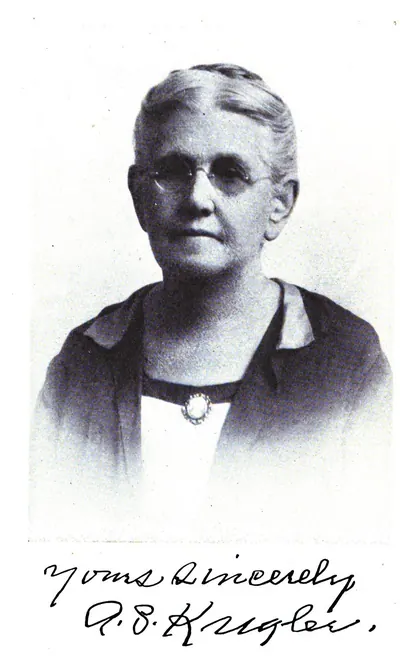
Anna Sarah Kugler (born 1856), an American woman doctor, reached Guntur in 1883 for the Lutheran mission and began its medical work for women and children, opening a dispensary in 1886 and planning the women's hospital whose first building opened in 1893.

People

Sarahamma

1860 CE

Sarahamma, born in 1860 to Hindu parents in the Telugu country, read the Gospels in secret as a young wife, was baptised in Rangoon with her husband, and after his death worked for about sixteen years as a Bible woman among the Telugus of Rangoon. Her short first-person account was printed in 1910.

Latest updates

All updates →

How we source

Every page lists the books, inscriptions, images and videos it draws on. We write in our own words, quote only public-domain texts, and credit every image.

About →

All sections

Explore

Learn

About

Englishతెలుగు